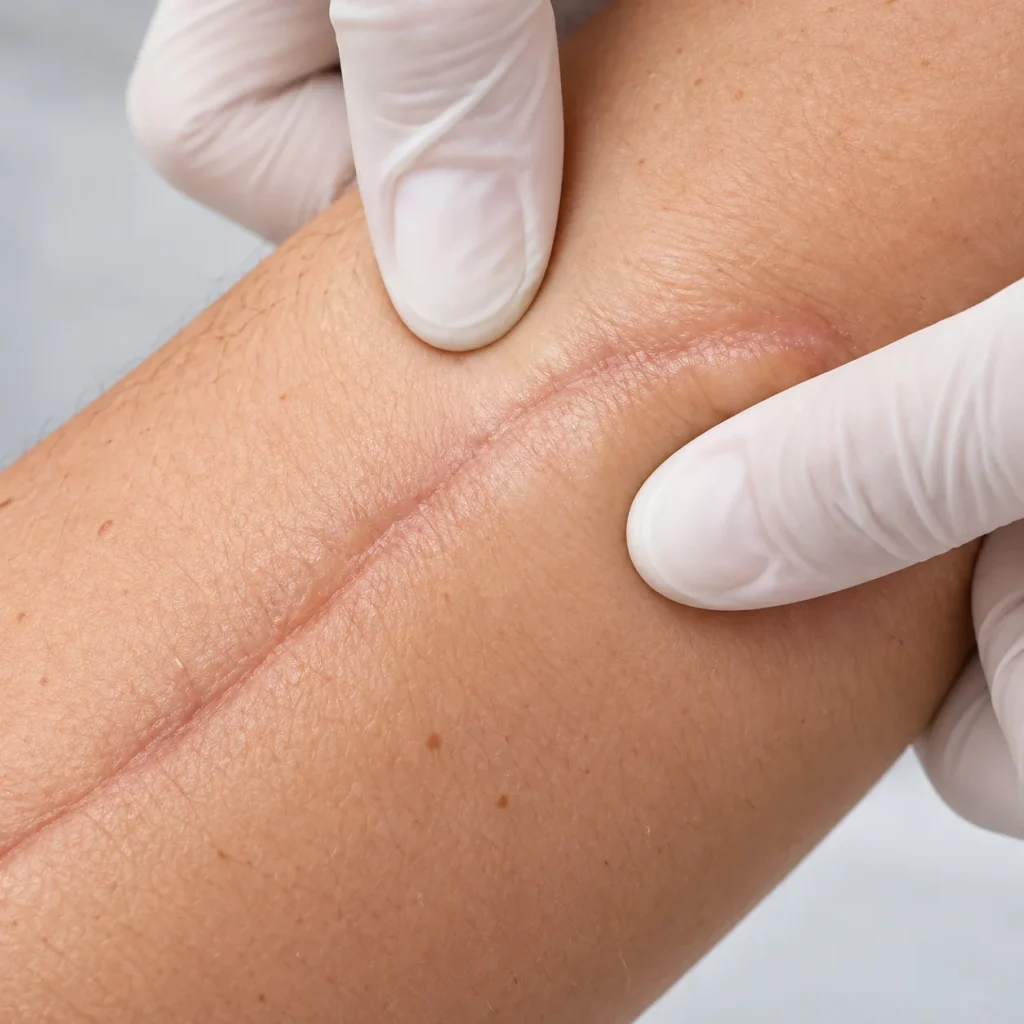
Scar massage is one of the techniques that may be incorporated into scar management once the skin has fully healed. By gently moving the skin and underlying tissue, massage may help maintain flexibility, reduce tightness and support mobility around the scar.
The technique and pressure should always be adapted to your scar and individual comfort.
When to start scar massage
Scar massage should only begin once the skin is completely closed and healed, with stitches removed where applicable.
Do not massage areas with open skin, scabs, discharge or signs of infection.
If you have recently undergone surgery or are unsure whether your scar is ready for massage, seek advice from your healthcare professional before starting.
How to massage your scar
01 · Prepare your skin
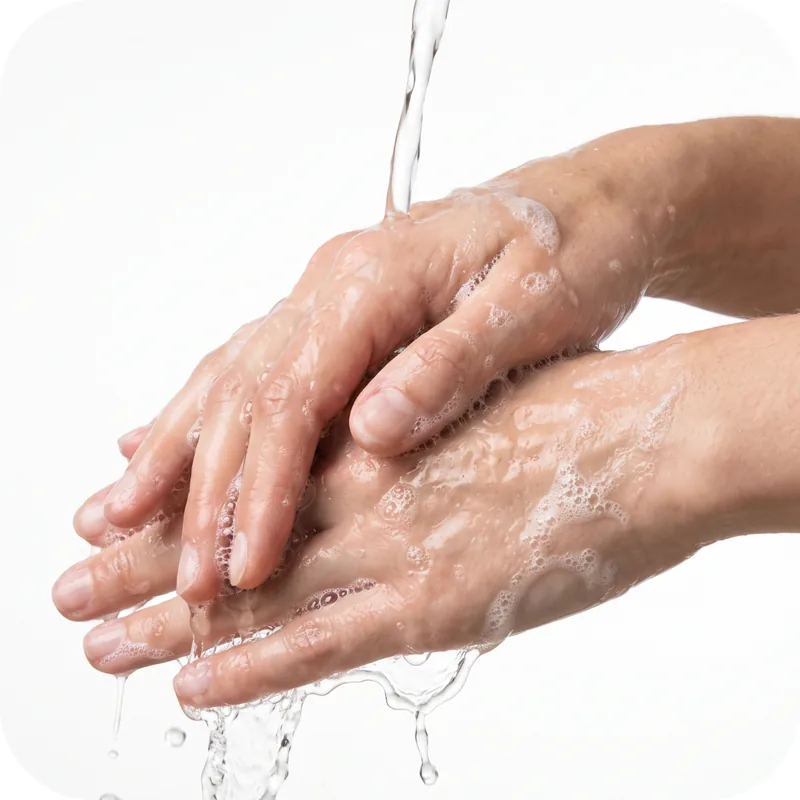
- Wash and dry your hands and ensure the scar area is clean and dry.
- Apply a small amount of scar management gel or another suitable product, as recommended by your healthcare professional.
02 · Start gently
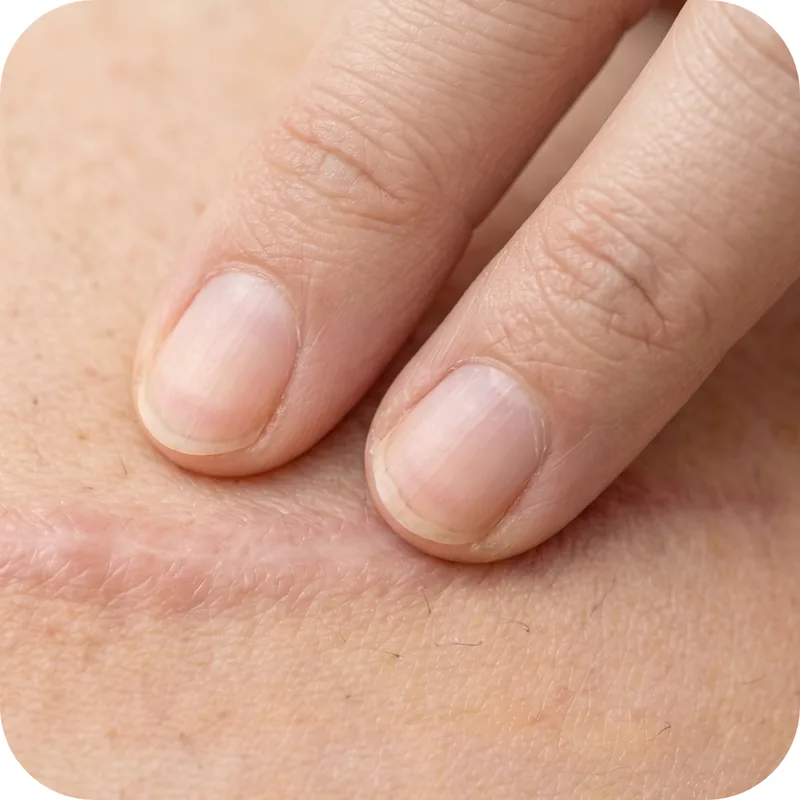
- Using the pads of your fingertips or thumb, apply gentle pressure over the scar.
- Aim to move the skin and underlying scar tissue rather than simply rubbing across the surface. The movement should feel comfortable and controlled.
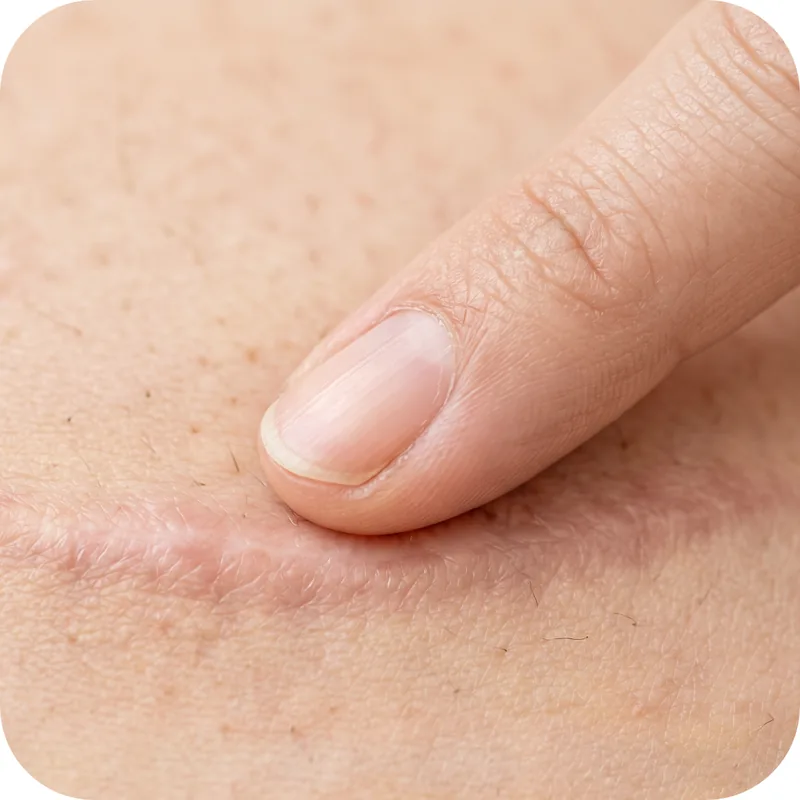
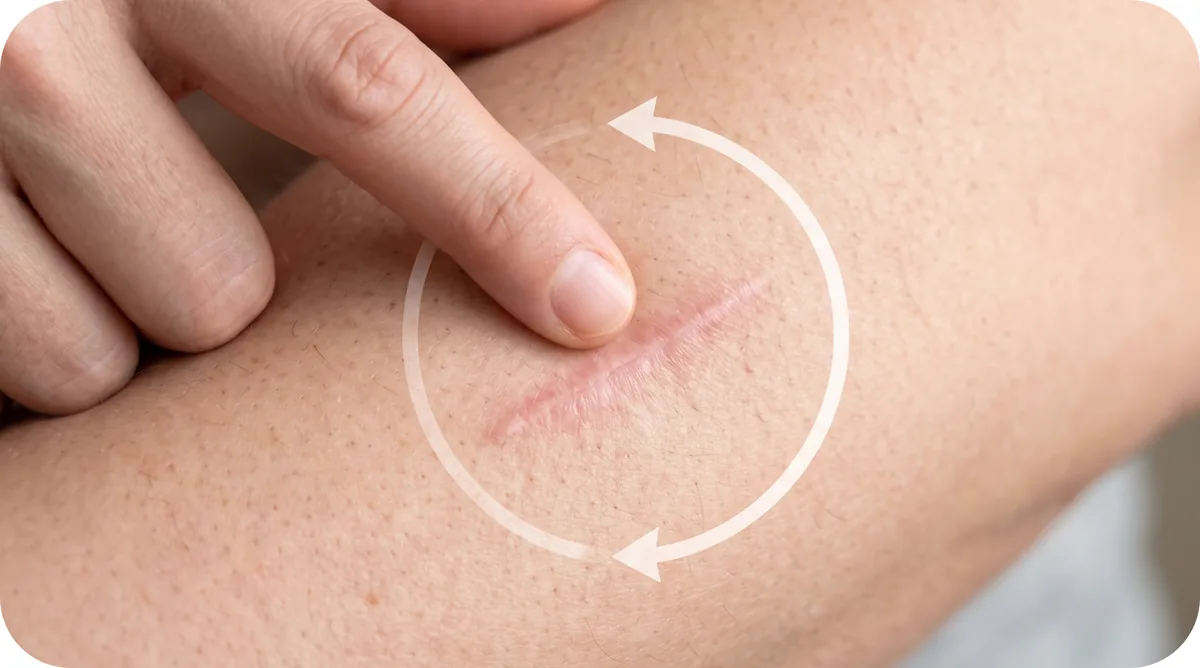
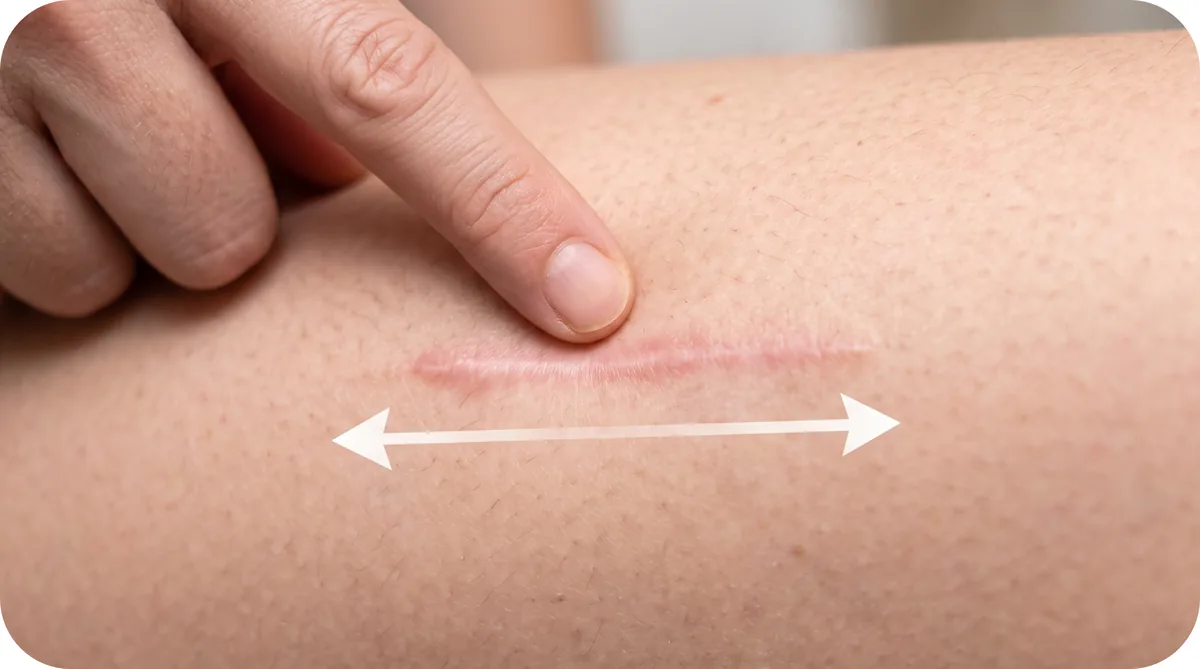
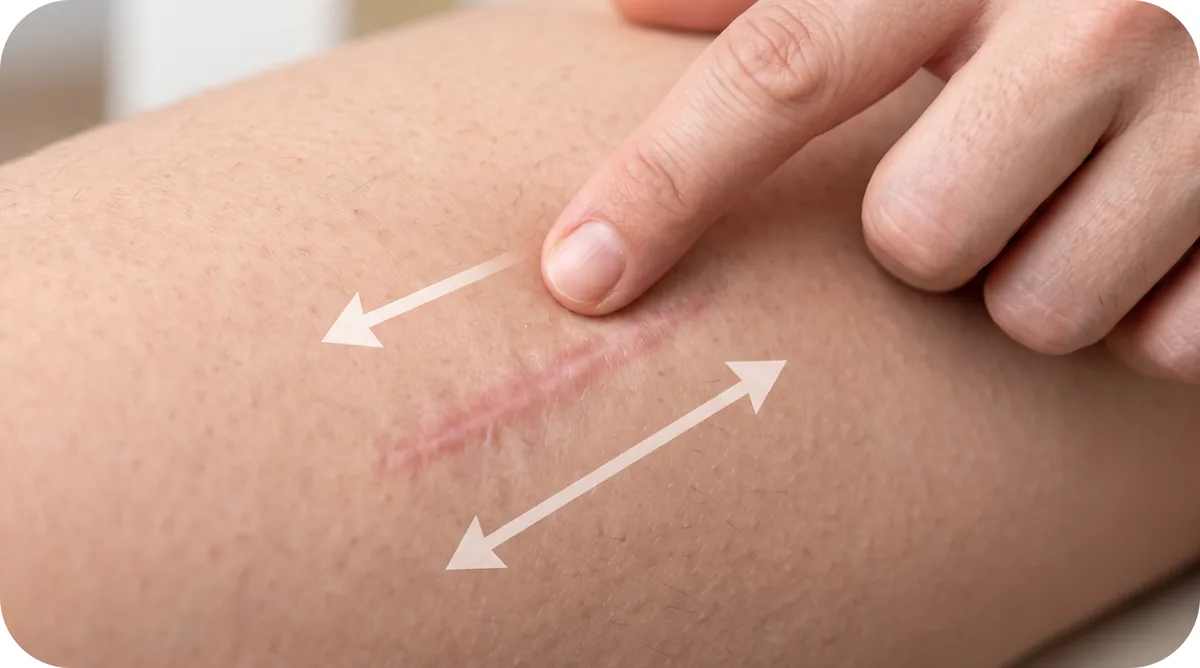
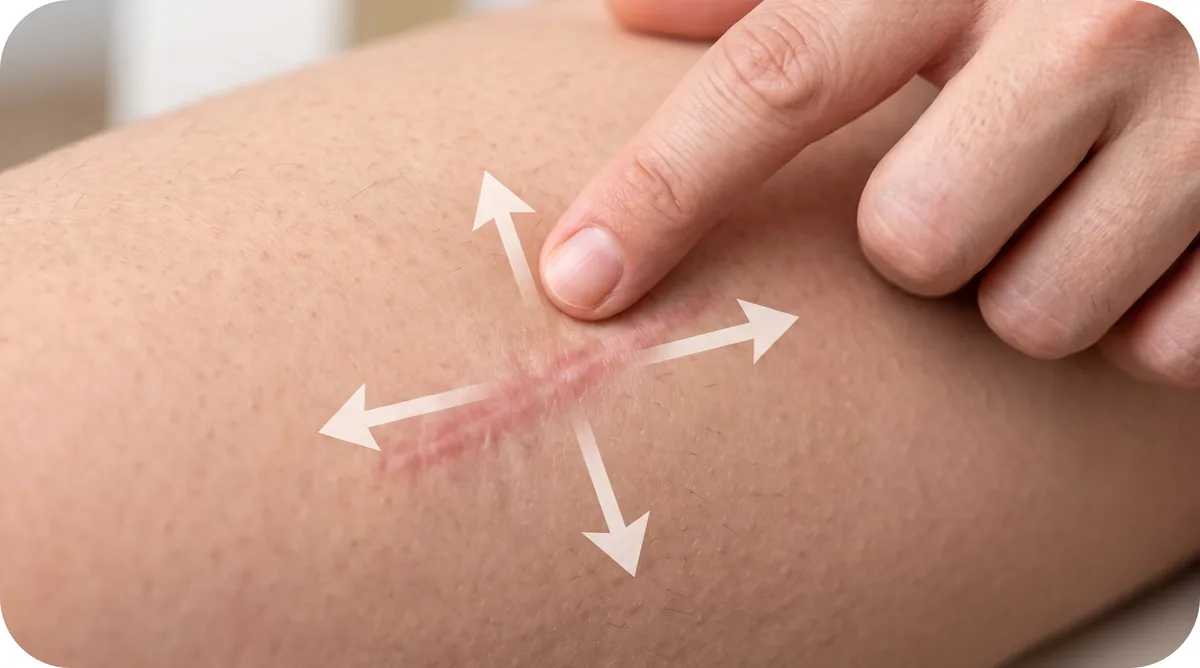
03 · Use different massage movements
Different movements can help mobilise scar tissue in several directions.
04 · Adjust the pressure
- Begin with light pressure and gradually increase it according to your comfort.
- Massage should feel like firm but comfortable movement of the skin, never painful rubbing. Reduce the pressure or stop if the area becomes uncomfortable.
05 · Maintain a consistent routine
- As a general guide, aim for approximately five minutes per session, twice daily, if advised by your healthcare professional.
- Changes may take several weeks or months to become noticeable. Gentle, regular massage is generally preferable to applying excessive pressure.
Adapt the technique to your scar
Not all scars respond to massage in the same way. The technique should reflect the scar’s appearance, flexibility and sensitivity.
- Tight or adherent scars: gentle movement in different directions may help improve tissue mobility.
- Raised or firm scars: controlled circular, side-to-side and along-the-scar movements may be useful.
- Sensitive or uncomfortable scars: start with lighter pressure and shorter sessions, increasing gradually as tolerated.
Your healthcare professional can advise on the techniques most appropriate for your scar.
When to avoid or stop scar massage
Do not massage the scar if:
- The skin is not fully healed or remains open.
- There are signs of infection, such as increasing redness, warmth, swelling or discharge.
- The skin is broken or ulcerated.
- The area is painful, inflamed or becoming increasingly sensitive.
Stop massage and seek professional advice if you notice increasing discomfort, bleeding, skin breakdown or unexpected changes in the scar.
Consult your healthcare professional if the scar enlarges rapidly, extends beyond its original boundaries or causes increasing pain or other concerns.
Extra care may be needed following surgery, burns or significant skin injuries.
Scar massage as part of scar management
Scar massage may contribute to skin flexibility and comfort, but it is only one element of scar management and does not replace appropriate medical care.
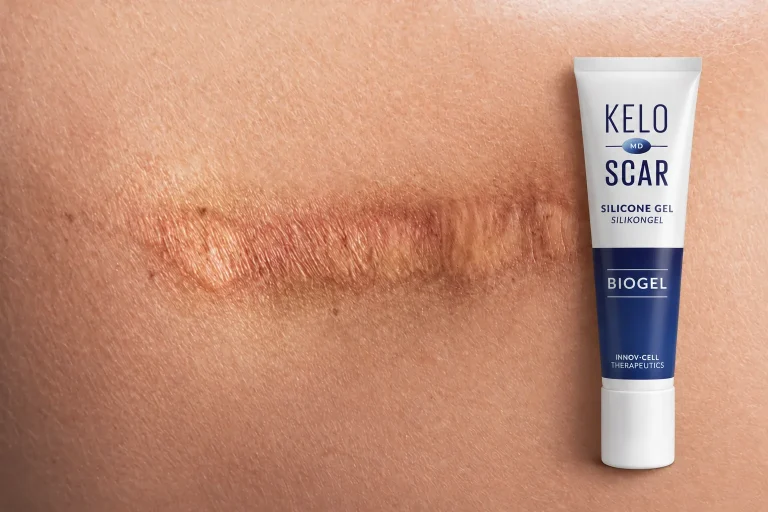
If recommended by your healthcare professional, gentle massage may be incorporated into your routine alongside KELOSCAR BIOGEL, following the product’s instructions for use.
Remember that KELOSCAR BIOGEL should only be applied to fully closed, intact skin.
Learn more about scar care with KELOSCAR BIOGEL
References
- Royal Berkshire NHS Foundation Trust. Scar Massage Following Skin Surgery. 2025.
- St George’s University Hospitals NHS Foundation Trust. Scars and Scars Massage. 2020.
- Mustoe TA, Cooter RD, Gold MH, et al. International clinical recommendations on scar management. Plastic and Reconstructive Surgery. 2002;110(2):560–571.
- Monstrey S, Middelkoop E, Vranckx JJ, et al. Updated scar management practical guidelines: Non-invasive and invasive measures. Journal of Plastic, Reconstructive & Aesthetic Surgery. 2014;67(8):1017–1025.
- KELOSCAR BIOGEL. Instructions for Use (IFU).